High-Performance Homes & Passive House
11 questions, answered from real HiPer Haus projects across South Australia.
Passive House, thermal bridging, insulation and what actually makes a home comfortable — the building science behind high-performance homes in South Australia.
From the field
“A mistake we regularly see on site — even on well-specified jobs — is airtightness, insulation and ventilation being treated as three separate trades' problems instead of one connected system. The blower door test is usually the first time anyone actually measures whether they worked together.”
— Jonathen Hindry, HiPer Haus
Mistakes we see in otherwise well-specified homes
- Upgrading to triple glazing before fixing thermal bridging or air leakage — spending on the wrong line item first.
- Insulation specified correctly on paper but installed with gaps, compression or missing sections on site.
- Airtightness and ventilation treated as separate trades' problems instead of one coordinated system.
- Heating and cooling systems sized for a "typical" home instead of the actual, much lower, load a high-performance envelope creates.
What is a high-performance home?
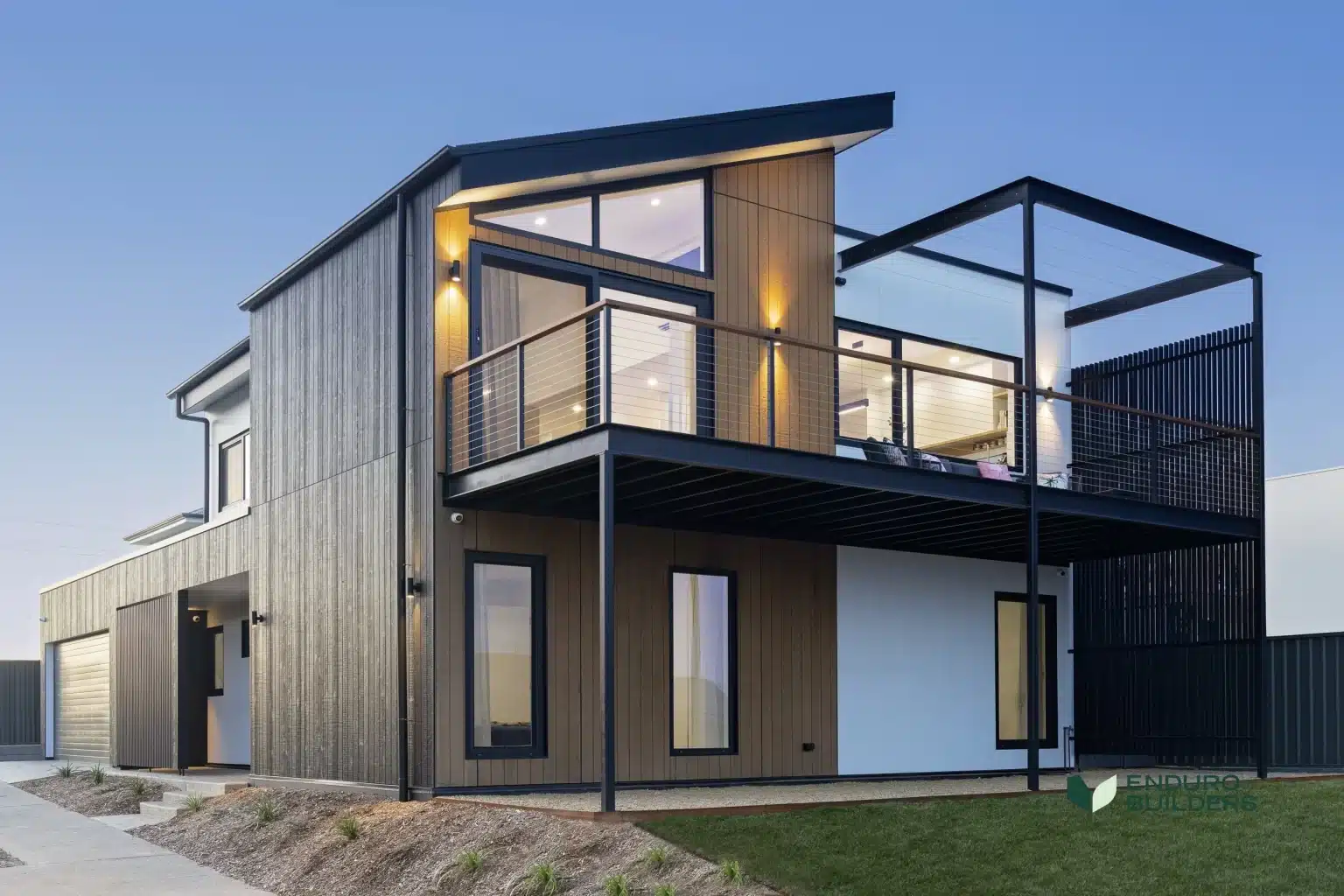
A high-performance home is one designed and built as an integrated system — airtightness, insulation, glazing, thermal bridging control and ventilation all working together — rather than a collection of individually compliant components. The result is a home that's measurably more comfortable, healthier and cheaper to run than one built to minimum code.
Read the full guide → High-Performance Homes
People also ask: What makes a home comfortable?; What is Passive House?
What makes a home comfortable?
Comfort comes from how well airtightness, insulation, thermal bridging, glazing and ventilation are designed and installed together — not from compliance alone. In several of the South Australian homes we've tested, we've seen minimum code requirements met on paper while the house still has cold rooms in winter, overheating in summer, condensation and poor air quality, because compliance is a floor, not a guarantee of comfort.
Read the full guide → Top 5 Building Mistakes That Ruin Home Comfort
People also ask: What is a high-performance home?; What is thermal bridging?
What is Passive House?
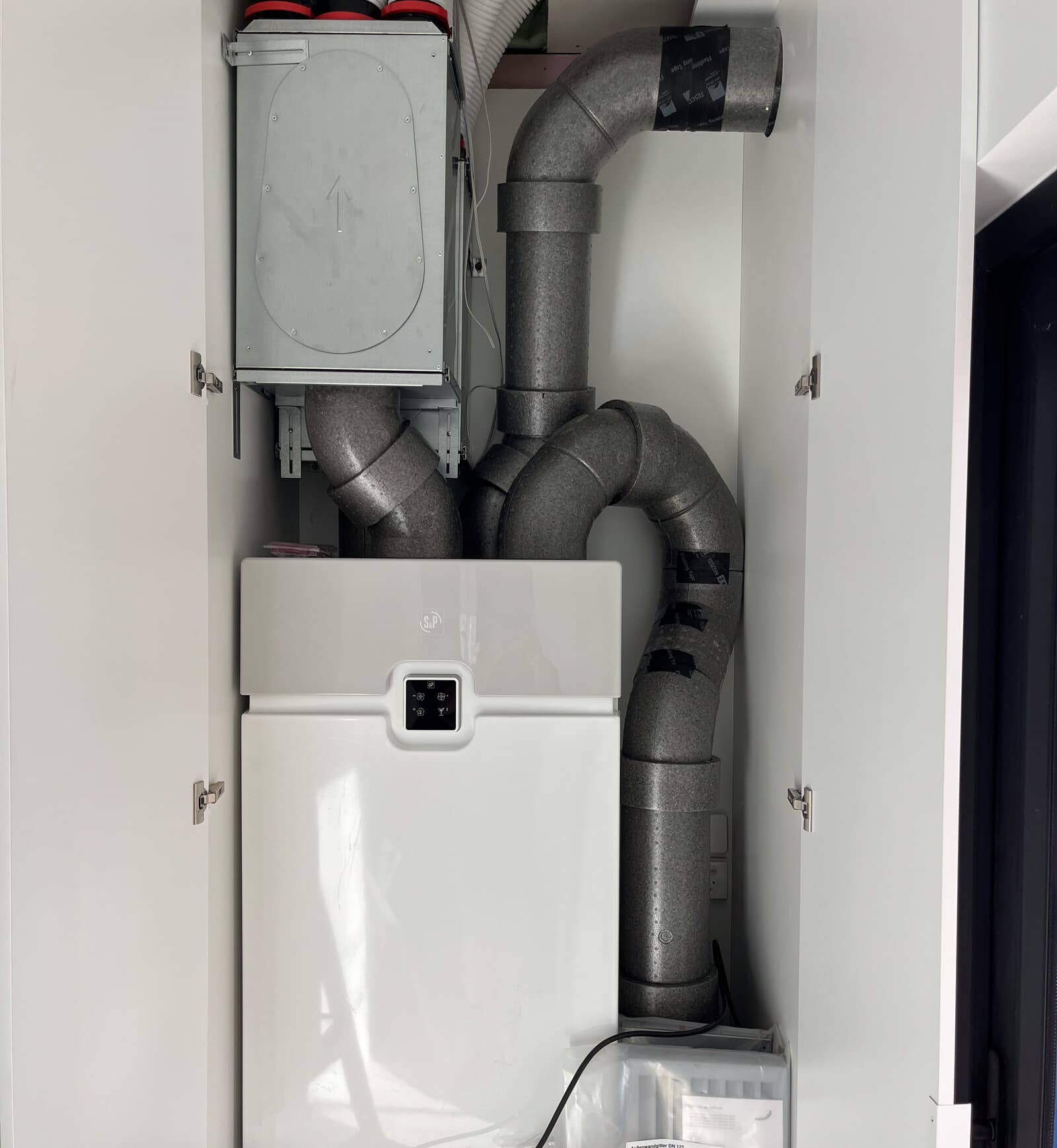
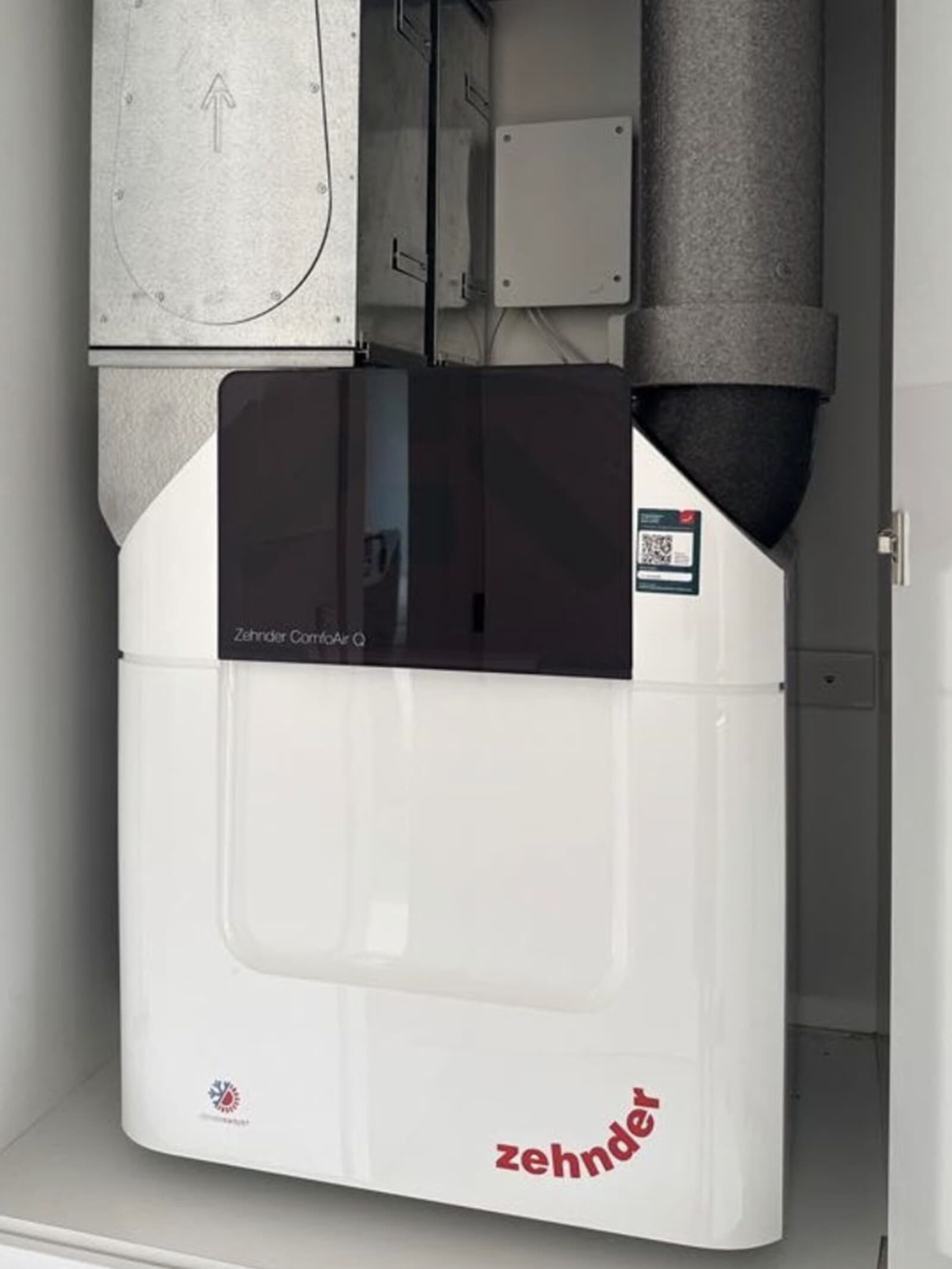
Passive House (Passivhaus) is the world's most rigorous voluntary building energy performance standard, built on five principles: superinsulation, airtightness (0.6 ACH50 or better), elimination of thermal bridging, high-performance glazing and heat-recovery ventilation. We've supplied and commissioned MVHR and heat pump hot water systems on several Certified Passivhaus builds across South Australia, including a Passivhaus Plus display home at Mount Barker.
Read the full guide → What Is Passive House?
Real project → Passivhaus Plus Display Home — Mount Barker
People also ask: What's the difference between Passive House and Passivhaus Plus?; Do I need triple glazing for a high-performance home?
Do I need triple glazing for a high-performance home?
Not necessarily — double glazing with low-e coatings and thermally broken frames performs well in most South Australian climate zones, and the right choice depends on orientation, shading and your specific performance targets rather than being a fixed rule. Triple glazing becomes more relevant for Passive House certification or particularly exposed sites.
Read the full guide → High-Performance Homes
People also ask: What is thermal bridging?; How do I choose a heating and cooling system?
What is thermal bridging?
A thermal bridge is a path through the building envelope — steel framing, slab edges, balcony connections, window installations — where heat moves much faster than through the surrounding insulated fabric. Thermal bridges create cold internal surfaces where condensation and mould can form, even in a home with plenty of insulation elsewhere.
Read the full guide → Top 5 Building Mistakes That Ruin Home Comfort
People also ask: How do I reduce condensation in my home?; Does airtightness stop mould?
Why is indoor air quality important in a high-performance home?
Sealing a home's envelope for energy performance also traps whatever is inside it — CO₂, moisture, cooking fumes and pollutants — unless mechanical ventilation is designed in from the start. Good indoor air quality isn't a side effect of high performance; it has to be actively designed for, usually with MVHR.
Read the full guide → Poor Sleep & Morning Headaches from CO₂
People also ask: What is MVHR?; Why do I need MVHR if my home isn't Passive House?
How do I reduce condensation in my home?
Persistent condensation is almost always a combination of high indoor humidity and cold internal surfaces (often at thermal bridges), rather than a fault with the windows themselves. Reducing moisture at the source, improving ventilation and addressing thermal bridging together is what actually resolves it — our calculator lets you check your own dew point.
Read the full guide → Why Are My New Home Windows Wet?
Related calculator → Condensation Calculator
People also ask: What is thermal bridging?; Does MVHR remove humidity?
How much insulation do I need?
More insulation isn't automatically better if it's poorly installed — gaps, compression and missing sections can dramatically reduce real-world performance regardless of the R-value specified on the plans. Insulation also does nothing on its own to control air leakage or fresh air supply, so it needs to be considered alongside airtightness, thermal bridging and ventilation, not in isolation.
Read the full guide → Top 5 Building Mistakes That Ruin Home Comfort
People also ask: What is thermal bridging?; Does insulation make a house airtight?
How do I choose a heating and cooling system?
In a high-performance home, system size matters more than system type — an airtight, well-insulated envelope needs far less heating and cooling capacity than a standard build, so the usual approach of sizing to a “typical” home oversizes and wastes money. Evaporative cooling in particular doesn't suit airtight construction.
Read the full guide → Heating & Cooling for Passive Houses and High-Performance Homes
People also ask: What size air conditioner do I need?; Why doesn't evaporative cooling suit an airtight home?
What's the difference between Passive House and Passivhaus Plus?
Passivhaus Plus builds on the standard Passive House requirements with an additional on-site renewable energy generation target, typically met through solar PV — meaning the home doesn't just use very little energy, it also generates a meaningful share of what it does use. Our Mount Barker project is a Certified Passivhaus Plus display home, built to demonstrate the standard is achievable in Australia with locally available materials.
Real project → Passivhaus Plus Display Home — Mount Barker
People also ask: What is Passive House?
Can any builder build a high-performance home?
Airtightness, thermal bridging control and ventilation design require specific detailing knowledge that not every builder has experience with — it's less about the trade and more about sequencing, products and quality control on site. We work directly with builders and designers to help get these details right from documentation through to testing.
Read more → Builders & Designers
People also ask: What is a high-performance home?
Written by
Jonathen HindryFounder of HiPer Haus. ATTMA Level 1 Airtightness Tester, Certified Passive House Tradesperson and 25+ year plumber — blower door testing, MVHR design and heat pump hot water across Adelaide and South Australia.

More from the knowledge base
← Back to the full FAQ knowledge base